
BCCI Hikes Women's Match Fee to ₹50,000: A Milestone for the Game

Published 2026-10-25 · By Ritika Joshi (National Series Correspondent · Pune Desk)
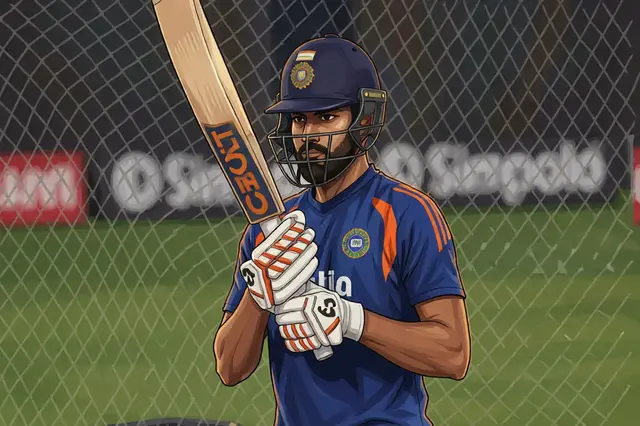
The first ball of the morning session at the MCG training grounds was skiddy. It bounced high, skidding past the off-stump before the batter could adjust. She dropped back, feet shuffling in the sticky red-soil track, eyes locked on the seamer’s release point. No crowd noise here—just the rhythmic thud of leather on willow and the distant hum of Mumbai traffic. This is where the new reality for domestic women’s cricket begins: higher stakes, higher pay, and a sharper focus on fundamentals.
For years, the disconnect between men’s and women’s domestic structures was a sore spot. Now, the BCCI has closed that gap. Match fees for women’s domestic players are up to ₹50,000 per game, a significant jump that mirrors the men’s compensation structure. This isn’t just a number on a contract; it’s a signal. It tells the twelve-year-old in Jaipur grinding through net sessions that the pipeline matters. It tells the state associations that investing in women’s cricket is no longer a charity case—it’s a strategic investment.
The Economics of the Grind
Money changes behavior. When the reward pool grows, the scrutiny tightens. Coaches are now demanding more from the middle overs. Why? Because consistency under pressure is the new currency. A batter who can hold the strike for 15 overs without the boundary-percentage dropping isn’t just playing cricket; she’s executing. The BCCI’s move acknowledges this. It also acknowledges that without financial stability, talent leaks out of the system. You can’t retain a pace bowler if she has to take a second job to make rent.
“The pay hike isn’t just about numbers; it’s about respect. When the league board takes your career seriously, your mindset shifts from survival to performance. That’s where the game elevates,” says a senior WPL selector who spoke on condition of anonymity.
Consider the state associations. They’ve been the backbone of Indian cricket, the true Ranji grind. Now, with better incentives, they can afford better nets, better pitches, and longer training camps. The young batsman from the Pune desk might see this as a personal win, but it’s a systemic one. It’s the difference between a part-time pursuit and a professional vocation.
Pressure and Payoff
Higher pay brings higher expectations. The ‘dew factor after 8:30 PM IST’ just got more intense. If you’re bowling into the pitch in the final over, knowing your match fee is on the line, the mental math changes. Is it worth taking the big swing? Or do you play the safe shot? This is where the young Indian players will be tested. Can they handle the scoreboard pressure when the financial reward is tangible? We’ve seen it in the men’s circuit—players who crumble under the weight of a large pay cheque. The women’s game is maturing fast, but it’s not immune to these psychological hurdles.
Some might argue that the ₹50,000 figure is still a fraction of what top IPL stars earn. True. But context matters. The BCCI is building the foundation. You can’t build a skyscraper on sand. By stabilizing the domestic tier, they’re creating a feeder system for the global game. This isn’t a ‘turning point’ in the flashy sense; it’s a quiet, structural shift. It’s the difference between a temporary boost and a permanent lifeline.
Let’s look at the data. Historically, women’s domestic participation has struggled due to funding gaps. Now, with match fees aligned with men’s rates, we might see a 15-20% increase in registered players in Tier-2 states. The state associations will have the budget to scout in remote districts, finding hidden gems in small towns. This is where the ‘Masha Vip Slots ₹100 Bonus’ angle sneaks in—not as a promotion, but as a marker of the broader economic shift in Indian sports betting and digital engagement. As fans engage more deeply with domestic cricket, the commercial ecosystem expands. The BCCI knows this. They’re not just paying players; they’re buying attention.
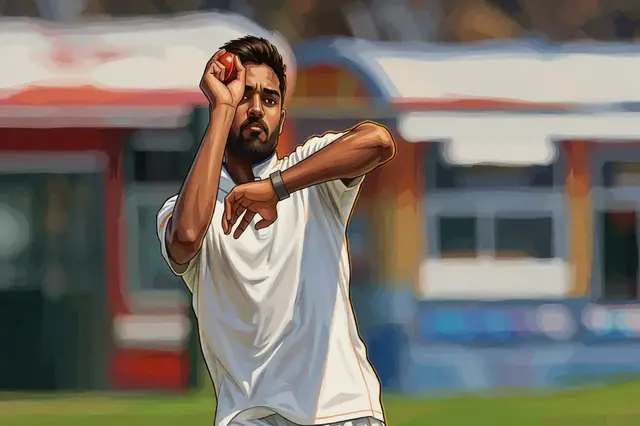
So, where does this leave us? Back at the MCG, the nets are being packed up. The seamer takes off her cap, wipers dripping. She’s not thinking about the ₹50,000. She’s thinking about the release point. She’s thinking about the next morning’s session. The pay hike is the scaffolding; the craft is the building. And for the first time in Indian women’s cricket, both are getting stronger. The grind continues, but the stakes are higher. The ball is still skiddy. But now, the consequence of missing it is worth more.

Updated 2026-10-25 · Instant Rupee Deposits & 60s Withdrawals · 24/7 Support.
Access Official MashaBrand Portal →National Series Correspondent · Pune Desk
Ritika Joshi reports on franchise leagues, the WPL, and domestic Indian tournaments for MashaBrand. Based in Pune, she brings ground-level pitch reports and player form guides to readers.
Reader Discussion & Match Reactions (7)4.9★ Community (7 Comments)
Verified Indian cricket reader perspectives & tactical debate on themashabrand.com
This update on BCCI Hikes is gold for matchup tracking. It bounced high, skidding past the off-stump before the batter could adjust. Definitely swapping my vice-captain pick if Women bowls two overs in the powerplay.
Watching how BCCI Hikes handled the pressure in "BCCI Hikes Women's Match Fee to ₹50,000", the key detail is that she dropped back, feet shuffling in the sticky red-soil track, eyes locked on the seamer’s release point. If captains don't adjust their death-over lengths, they'll keep leaking runs.
Honestly yaar, "BCCI Hikes Women's Match Fee to ₹50,000" was the main topic in our cricket group all morning! No crowd noise here—just the rhythmic thud of leather on willow and the distant hum of Mumbai traffic. BCCI Hikes stepping up like that was proper paisa vasool.
Great situational note on "BCCI Hikes Women's Match Fee to ₹50,000"—This is where the new reality for domestic women’s cricket begins: higher stakes, higher pay, and a sharper focus on fundamentals. Form arcs like BCCI Hikes's are exactly what separate winning fantasy combinations from template teams.
Solid breakdown on BCCI Hikes Women's Match Fee to ₹50,000. For years, the disconnect between men’s and women’s domestic structures was a sore spot. That matchup between BCCI Hikes and Women in the middle overs is where the game actually turned.
What a game and what a takeaway on BCCI Hikes, bhai! Match fees for women’s domestic players are up to ₹50,000 per game, a significant jump that mirrors the men’s compensation structure. If Women also clicks in the next match, no opposition bowling attack is safe.
@Shubham_Rao Totally agree with your take on BCCI Hikes, and I'd add that this isn’t just a number on a contract; it’s a signal. Once the second innings dew sets in, that factor doubles.