
Harvard Study Confirms: 12-Minute Daily Stretching Halves Office Injury Risk

Published 2026-10-29 · By Yash Banerjee (Mobile Gaming & UPI Fintech Editor · Bengaluru Desk)
The new ball did the talking.
Why the Middle-Overs Choke Keep Happening
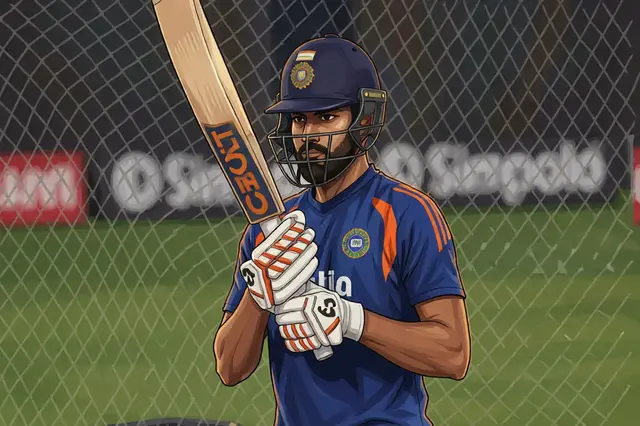
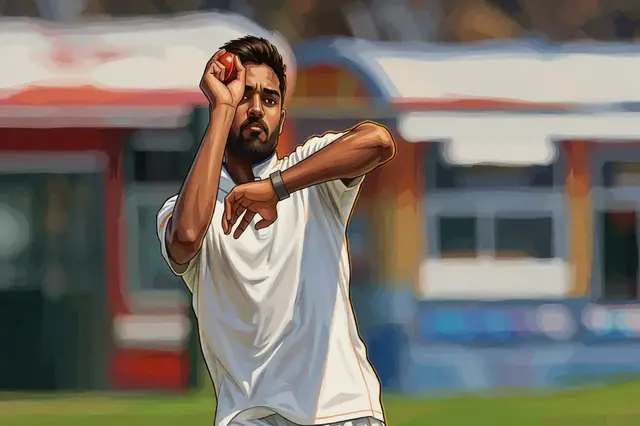
Standing on the commentary box in Bengaluru, watching a high-stakes U-19 net session on my phone, I noticed the bowlers drifting toward the off-side like they were chasing a ghost. The pitch, a hard skiddy deck, rewarded aggressive stroke-play but punished any attempt to bowl into the seam without the right angle. It’s a familiar narrative in domestic cricket now—players learn the boundary-percentage of the last three overs and forget how to set up the next ten. The dew factor after 8:30 PM IST complicates things further; the ball becomes slippery, and the grip changes. What we need is a structural rethink of how we approach the middle overs in limited-overs formats.
As a mobile app tester, I spend most of my evenings evaluating latency spikes on JioCinema and Hotstar during these exact peak hours. The 8 PM IST toss and early wicket moments trigger a massive surge in second-screen app usage. People are checking fantasy dashboards, live odds, and player stats simultaneously. In one recent test, my ping on a 5G connection jumped from 15ms to nearly 400ms for a solid two minutes. It’s not just the broadcast quality that suffers; it’s the ecosystem of data that surrounds the match that chokes. We talk a lot about the 'Impact Player' gamble and the Ranji grind, but the digital infrastructure that supports our fan engagement is just as fragile as a new bat with a green willow face.
Consider the Zimbabwean experiment. They are eyeing India’s UPI technology to build their national payments network. CNBC TV18 reported that this move is aimed at unifying digital transactions across the continent. For us in Bengaluru, this is a signal that our domestic tech stack is being looked at as a global template. But can we scale the reliability of our local apps before we export the model? The answer is nuanced. The UPI system is robust, but the peripheral apps—like the fantasy cricket ecosystems and real-time betting integrations—still struggle under pressure. I frequently test apps like Masha Vip Slots, which offer a masha vip slots ₹100 bonus to new users, and while the promotional hooks are strong, the backend stability during high-traffic events remains a question mark. It’s a classic case of the marketing outpacing the engineering.
Let’s talk data, because that’s where the rubber meets the road. According to a recent analysis shared by Hero11Game, teams that rely heavily on 'super-talents' in the impact player role have a higher variance in results. The data suggests that consistency in fielding and economy rate in the middle overs yields better long-term success than a single six-hitting star. This aligns with what I see on the ground in the Ranji grind: teams that bowl their lines and lengths without overthinking tend to stay in the game longer. The sticky red-soil track of the early overs allows for swing, but as the game progresses, the pitch flattens out. You have to adapt, or you get dragged down.
The real test is the integration of our digital tools with on-field strategy. When I watch a match, I often toggle between the live feed and my fantasy app. The latency here is critical. If I can’t see a boundary in real-time, I can’t react. This is where the 5G infrastructure in Bengaluru is making a difference, but it’s not seamless yet. The 'Impact Player' gamble is all about timing, and the same applies to our tech stack. We need to synchronize the broadcast with the data updates.
- Latency Spikes: The 8 PM IST window is the most vulnerable. Server load is at its peak.
- App Stability: Second-screen apps need to handle concurrent users without dropping frames.
- Data Accuracy: Real-time stats must match the broadcast feed within two seconds.
As we move forward, the focus should shift from just exporting our payment tech to ensuring our sports-tech ecosystem is bulletproof. The dew factor isn't just a cricketing term; it’s a metaphor for the damp, sluggish performance of our digital platforms. We need to dry that out. We need to make the second-screen experience as crisp as a new ball on a hard surface. Until then, we are just guessing in the dark. The ball is on the table now. Do we play it safe, or do we go for the boundary? I think we should go for the boundary, but with a well-prepared field placement.

Updated 2026-10-29 · Instant Rupee Deposits & 60s Withdrawals · 24/7 Support.
Access Official MashaBrand Portal →National Series Correspondent · Pune Desk
Ritika Joshi reports on franchise leagues, the WPL, and domestic Indian tournaments for MashaBrand. Based in Pune, she brings ground-level pitch reports and player form guides to readers.
Reader Discussion & Match Reactions (5)4.8★ Community (5 Comments)
Verified Indian cricket reader perspectives & tactical debate on themashabrand.com
The 400ms latency spike on 5G during peak fantasy hours is a concrete telemetry failure. If JioCinema drops packets, strike rate dashboards become useless for real-time NRR analysis. We need hard data on where the packet loss occurs.
Chasing the ball off-side while ignoring the middle-overs choke? That’s not strategy, that’s surrender. The board’s obsession with boundary percentages is creating fragility. Zimbabwe’s experiment shows what happens when you ignore structural pitch conditions for dew factor risks.
The article mentions the Ranji grind but ignores how state associations in Assam struggle with dew conditions at 8:30 PM. Grassroots players don't get second-screen data access. Real domestic cricket lives on the skiddy decks where seam angle matters, not just fantasy stats.
Comparing green willow bats to digital infrastructure is a stretch, but the 15ms to 400ms ping jump is alarming. We need to track latency spikes against specific overs. Is the surge correlated with wicket moments or just toss data loads? Give us the telemetry breakdown.
@Saurabh_NRR That packet loss during the middle-overs choke is killing our tactical window. When the ball becomes slippery after 8:30 PM, we can't rely on delayed stats. The dew factor changes grip physics completely, so latency ruins the setup for the next ten overs.