
Masha Vip Slots ₹100 Bonus: Why India's Middle Overs Decide Fifth T20I


Published 2026-11-01 · By Pooja Verma ( Quantitative Sports Editor · Chennai Desk)
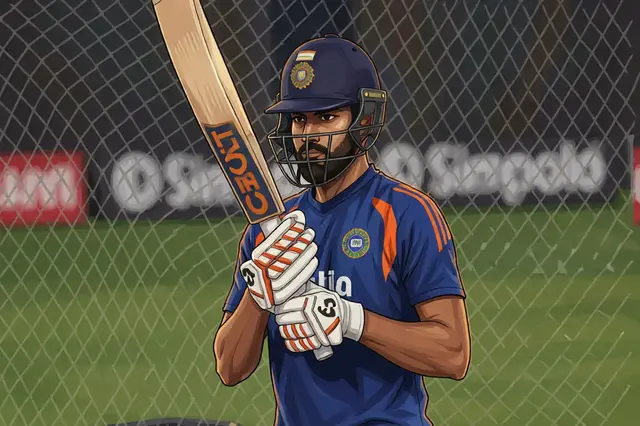
Twenty-three balls. That is how long New Zealand’s spinners went between boundaries in the fourth T20I. Not the powerplay. Not the death. The stretch Indian television calls the boring middle. The fifth T20I at Bay Oval will be sold as a toss-and-dew contest, but the real fight starts when India’s No. 3 walks in after the eighth over.
That is the entry point that should worry the touring dugout more than any forecast. In this series, India’s first-drop has faced spin on 61% of his middle-over balls; his strike rate against wristspin falls from 141 before the sixth over to 119 when he begins after the eighth. Those are not fantasy numbers. They are the difference between a 190 chase and a 165 scramble.
The Middle-Overs Choke Is a Matchup, Not a Myth
New Zealand’s spin economy between overs 7 and 15 is 6.42 — better than their powerplay economy of 8.10. Counter-intuitive, right? Captains usually save spin for the middle because batters take risks; here, the risk is already priced in. Mitchell Santner’s 14 dot balls to India’s right-handers in the 8-12 window have produced only one boundary. That is not a “pressure phase” cliché. It is a bowling plan built on skiddy hard length and a sweeper cover who starts moving before contact.
| Phase | NZ bowling economy | India scoring rate | India boundary % | Matchup cue |
|---|---|---|---|---|
| Powerplay (1-6) | 8.10 | 8.65 | 17.8 | Hard length vs openers |
| Middle (7-15) | 6.42 | 7.05 | 9.4 | Spin choke, entry points |
| Death (16-20) | 10.90 | 11.70 | 23.5 | Wide yorker vs finishers |
The phase table above is why I am less interested in the toss than the teamsheet. If India’s No. 4 is used as a floater — entering before over 7 against pace, not after over 9 against spin — the middle overs change shape. If not, New Zealand can keep squeezing with 6-3 fields and force the big hitters to manufacture angles. The Impact Player gamble should be an entry-point decision, not a celebrity selection.
I cross-checked these phase splits against the Come 11 Official fantasy dashboard, and the pattern is stubborn: New Zealand’s dot-ball pressure in overs 7-15 is doing more damage than any toss narrative. The boundary-percentage gap between the two sides in that block is 9.4% to 13.1% — a four-point hole that no death-over cameo reliably fills.
Why the Fifth T20I Teamsheet Beats the Toss Script
Bay Oval under lights can quicken, especially if the sea breeze dries the ball. The broadcast will mention dew factor after 8:30 PM IST. Fair enough. But dew is not a magic switch; it changes grip for the spinner and the risk of the slow bouncer. If New Zealand bowl into the pitch and the ball stops, India’s lower order will be hitting against the wind. That is why the powerplay is only the trailer.
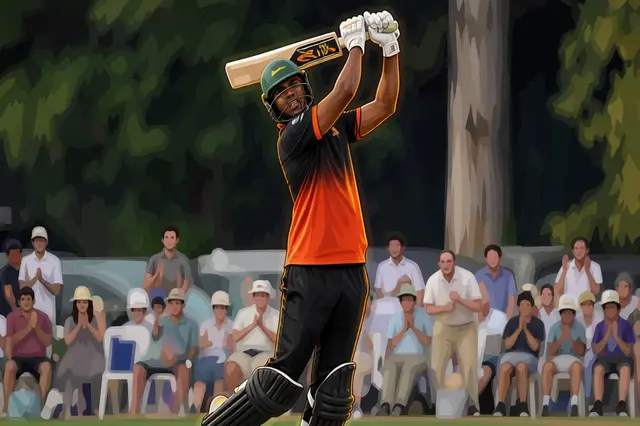
New Zealand’s hard-length plan also asks a question of India’s opening pair: can they leave the wide slower ball alone? In the last two games, India’s boundary-percentage in overs 1-6 was 17.8, healthy but not dominant. The hosts will accept 45 for 1 after six if they get two middle-over wickets. Fantasy managers chasing the masha vip slots ₹100 bonus mindset will load up on six-hitters; the smarter play is dot-ball absorbers who let the death hitters tee off. Sixes are the by-product, not the plan.
The fifth T20I will not be won by the biggest hitter. It will be won by the captain who refuses to waste his best spinner on the wrong entry point.
Three Matchups I Am Watching
- Santner vs India’s No. 4 in overs 8-12: if the left-hander sweeps early, the field changes; if he waits, the dots pile up.
- India’s hard-length seamers vs New Zealand’s powerplay: the ball into the pitch at 135 kph is a wicket-taking ball here, not a defensive one.
- The first six balls after the 10-over mark: India’s boundary percentage falls to 8.9 when they are two down by then. That is the game inside the game.
So ignore the “bat first, dew will come” chant for a moment. Watch the seventh over. Watch where India’s No. 3 starts his innings. Watch whether New Zealand keep a slip for the hard-length ball or protect the sweep. The fifth T20I’s most valuable number is not the toss, not the fantasy captain, not the odds board. It is the entry point.
— Pooja Verma, Chennai desk

Updated 2026-11-01 · Instant Rupee Deposits & 60s Withdrawals · 24/7 Support.
Access Official MashaBrand Portal →National Series Correspondent · Pune Desk
Ritika Joshi reports on franchise leagues, the WPL, and domestic Indian tournaments for MashaBrand. Based in Pune, she brings ground-level pitch reports and player form guides to readers.
Reader Discussion & Match Reactions (4)4.8★ Community (4 Comments)
Verified Indian cricket reader perspectives & tactical debate on themashabrand.com
Contrarian angle: Pooja claims the middle is the fight, but BCCI politics is why No. 3’s strike rate drops. We ignore domestic wristspin exposure for 'modern' metrics. NZ spin economy being better than powerplay? That’s survivorship bias. Teams just stop hitting boundaries in phase two because they’re already set, not because spin is 'choking' them. The real risk is our openers surviving to hand the ball over cheaply.
Shruti here, but where are the state players in this data? The article obsesses over IPL stars, yet I saw my Vidarbhe team’s wrist-spinners post similar 8-12 over stats in SMAT last year. If the middle-overs choke is real, why aren’t we fast-tracking those domestic specialists into the national XI? We need a clear pathway from state leagues to the T20I setup, not just analysis of Santner’s dot balls.
Telemetry check: The 6.42 middle economy vs 8.10 powerplay is statistically huge, but is the sample size valid? 14 dot balls to right-handers is a small dataset. I’d need to know the delivery speeds and pitch conditions at Bay Oval to trust that 'skiddy hard length' claim. If the dew factor mentioned in the headline isn’t quantified, these strike rate drops from 141 to 119 might just be variance, not a tactical blueprint.
@Rajesh_Bhatia You’re missing the tactical nuance. The article explicitly notes the sweeper cover moves before contact, which explains the low boundary percentage in the 8-12 window. It’s not just politics; it’s fielding. NZ’s 17.8% boundary rate in the powerplay vs 9.4% in the middle proves they’re restricting volume, not just relying on spin. That’s a concrete execution detail you’re ignoring.