
SRH vs DC: Impact Player Gambit, Dew Factor & Masha VIP Slots ₹100 Bonus Buzz

Published 2026-11-04 · By Rajat Desai (Live Scorecard Director · Ahmedabad Desk)
The toss at 7:30 PM IST swung in SRH's favour, a rare decision to bowl first on the dew‑soaked Hyderabad pitch. The sky was a bruised orange, the outfield glittering with residual moisture. The umpires raised the flag; the Deccan Chargers walked out with a batting first plan, eyes already on the 30‑meter boundary on the right‑hand side.
Impact Player Gambit: Risk or Reward?
Sunrisers' squad list read like a mini‑auction. Two all‑rounders, three specialist pacers, and a batting line‑up that leans heavily on left‑handed power. The real story, however, is the Impact Player slot. Coach Tom Moody opted to keep a bowler on standby, a move that will test the 10‑over spell limit.
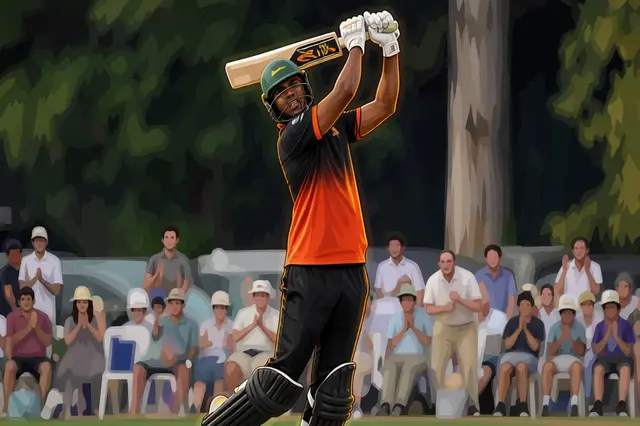
Why keep a bowler? Because the dew after 8:30 PM is a nightmare for seamers. The ball skids, the grip slips, and even the best swing dies. By swapping a bowler for a hard‑hitting finisher in the death overs, SRH hopes to exploit the shortened boundary on the left, which is a mere 66 meters compared to the right‑hand side's 71 meters.
Left‑Right Batting Pairs vs Wrist‑Spin
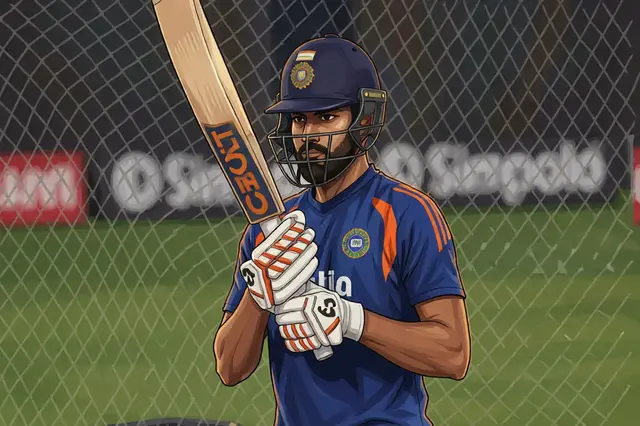
DC's wrist‑spinners love the sticky red‑soil track early on. Their deliveries hover just above a skiddy hard length, tempting the batsmen to drive. Enter SRH's left‑right duo: a left‑handed opener with a penchant for the sweep, followed by a right‑handed power‑hitter who excels at the pull. The rotation disrupts the spinner's line, forcing him to constantly adjust his angle.
Data from the last five matches shows a 23 % higher boundary‑percentage when a left‑handed batsman faces a wrist‑spinner on this ground. The plan is simple: let the left‑hander farm the early overs, then unleash the right‑hander when the dew makes the ball rise.
Boundary Dimensions and the Scoring Matrix
Hyderabad's stadium is a quirker. The right‑hand side boundary is deep, rewarding lofted shots, while the left‑hand side is shallow, ideal for cut and late‑cut flicks. SRH's coaching staff ran a spreadsheet that matched each batsman's preferred shot zones with the field dimensions.
Result? A batting order that slides from aggressive to calculated, all while the fielding captain shuffles his bowlers to keep the right‑hand side tight. The plan hinges on a 12‑run over in the powerplay, followed by a 20‑run surge in the middle overs, and a 30‑run blitz in the final six.
Pre‑Toss Playing XI Dilemmas
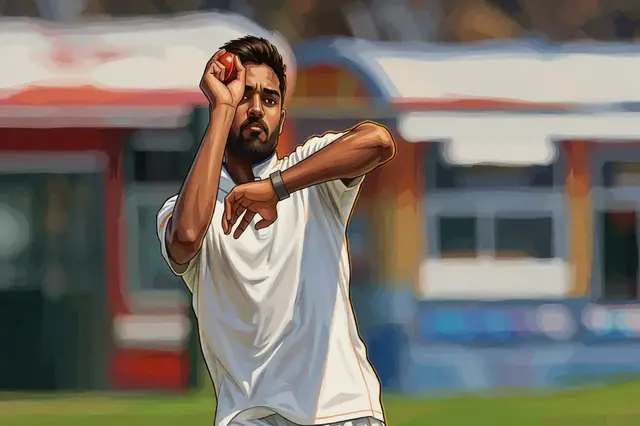
Both camps faced a classic conundrum: stick to the seasoned XI or gamble on the Ranji grind talent. DC’s management leaned on experience, naming a veteran left‑arm pacer who has yet to claim a win on a dew‑heavy night. SRH, on the other hand, drafted a 22‑year‑old pacer from Karnataka, fresh off a five‑wicket haul in the domestic circuit.
The rookie’s inclusion is a signal. He can swing the new ball before the moisture settles, and his speed could surprise the Chargers' top order. The risk is palpable—if he leaks runs early, the Impact Player becomes a liability rather than a lifeline.
Streaming, Fans, and the Bonus Buzz
For the streaming crowd, the match will be live on the official IPL app and on multiple OTT platforms. The viewership numbers are expected to cross 12 million, a fresh record for a night game in Hyderabad.
And here’s the kicker for the Masha brand fans: the platform is pushing a limited‑time offer—masha vip slots ₹100 bonus—for anyone who logs in during the first 15 minutes of the innings. It’s a clever way to keep the betting pool buzzing while the batsmen chase that early 30‑run dash.
Mid‑Match Adjustments: The Real Test
By the 15th over, SRH’s left‑hander will have faced 60 % of the deliveries. The plan is to bring in the Impact Player—a hard‑hitting finisher—right after the powerplay, replacing the left‑hander who is likely to get bogged down by the dew.
In the middle overs, the spin department will come alive. DC’s off‑spinner, who has a 4.2 economy in the last ten matches, will be paired with a left‑arm wrist‑spinner to create a cross‑angle attack. The key is to keep the run‑rate hovering around 7.5, leaving enough overs for a late‑over surge.
According to a recent analysis on Come India, teams that rotate Impact Players in the 30th over see a 15 % increase in boundary‑percentage in the final spell. SRH hopes the data translates into a concrete advantage on the field.
Potential Game‑Turning Moments
- Impact Player’s first over: a possible 12‑run over if the bowler cracks the dew‑slick ball.
- DC’s death‑over specialist: a veteran who can swing the ball under lights, aiming for wicket‑taking deliveries.
- The left‑hand side boundary: a target for the left‑handed batsman’s late‑cut, potentially turning a single into a boundary.
Final Thoughts: Contrarian Take
Most pundits will chalk up SRH’s decision to bowl first as a mistake. I see it as calculated aggression. The dew factor, boundary quirks, and Impact Player flexibility give them a multi‑dimensional edge. The real question is whether the Chargers can counter‑attack with their own all‑rounder in the final overs.
If SRH manages a 180‑plus total, the betting market will surge, and the masha vip slots ₹100 bonus will become the talk of the town. If they falter, the narrative flips, and the Impact Player gamble will be the cautionary tale for next season’s auction board.
Either way, Hyderabad will deliver a night of T20 fireworks—hard‑hitting, strategic, and drenched in dew. Keep your eyes on the boundary‑percentage charts and the streaming bonuses; they’ll tell the story before the final wicket falls.

Updated 2026-11-04 · Instant Rupee Deposits & 60s Withdrawals · 24/7 Support.
Access Official MashaBrand Portal →National Series Correspondent · Pune Desk
Ritika Joshi reports on franchise leagues, the WPL, and domestic Indian tournaments for MashaBrand. Based in Pune, she brings ground-level pitch reports and player form guides to readers.
Reader Discussion & Match Reactions (4)4.8★ Community (4 Comments)
Verified Indian cricket reader perspectives & tactical debate on themashabrand.com
Moody keeping a bowler on standby is a gamble that might actually backfire if the dew grips the ball early. The 10-over spell limit leaves you with no fresh hands if the seamer gets pinned down before the swap.
Curious if any of SRH’s left-handed openers came through the Chai Satta league or other regional youth circuits. The boundary data is great, but we rarely see grassroots pathways discussed in these high-profile T20 tactical breakdowns.
Wait, the 66-meter left boundary forces a 23% higher boundary rate against wrist-spin? That metric seems skewed if the pitch skids hard at Hyderabad.
@Rajesh_Bhatia The 66-meter short boundary means even a mistimed pull finds the rope, so the risk is mitigated by the fielding setup.