

Hamilton’s Grey Skies and the Masha VIP Slots ₹100 Bonus Luck

Published 2026-11-09 · By Nikhil Pillai (Executive Sports Editor · Chandigarh Desk)
The clouds over Hamilton aren't just grey; they are menacing. One look at the moisture clinging to the outfield and you know the batters are in for a long, miserable afternoon. It’s a classic New Zealand trap—overcast skies, a bit of humidity in the air, and a surface that looks like it’s been soaking in a sponge for forty-eight hours.
The wire services call it a 'blessing in disguise.' Please. There is no blessing for a top-order batter facing a new-ball burst on a pitch that behaves like a wet soap bar. It’s a nightmare. The ball doesn't just swing; it jaggedly nips back, hitting the shoulder of the bat before the keeper has even settled his feet.
The Myth of the 'Good' Seaming Track
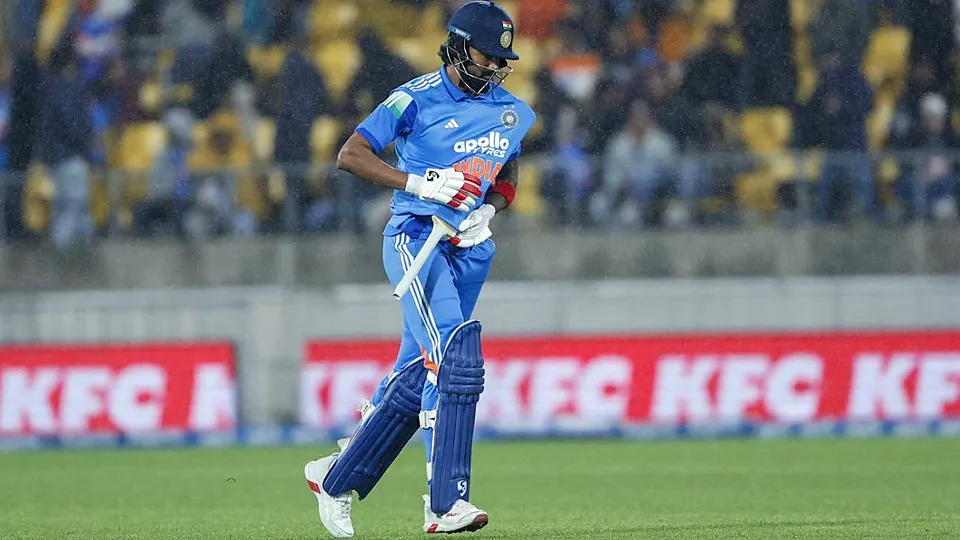
We’ve heard this narrative before. The dressing-room chatter usually revolves around how these conditions 'test the character' of the Indian batting lineup. In reality, it’s just a lottery. When the ball is skiddy and the length is hard, the margin for error shrinks to the size of a postage stamp. One misplaced drive, one tentative prod at a wide one, and you're walking back to the pavilion with the rain starting to drizzle on your helmet.
India’s approach has been curious. They want to play aggressively, to dominate the powerplay, but you cannot muscle a ball that is dancing on a sticky surface. It’s like trying to play a game of chance with loaded dice. Speaking of luck, some fans might find better odds with a masha vip slots ₹100 bonus than trusting this batting order to survive the first ten overs in Hamilton.
Where the Middle-Overs Choke Begins
If the openers survive the initial carnage, the real problem begins. The middle-overs choke is a recurring theme in these overseas tours. India tends to freeze. They stop rotating the strike, the boundary-percentage drops, and the pressure builds until a rash shot provides the breakthrough.
- The Pace Factor: New Zealanders excel at bowling into the pitch, utilizing the seam rather than raw pace.
- The Footwork Fail: Indian batters are still struggling with the 'half-forward' press on these tracks.
- The Dew Factor: If the rain holds off but the moisture stays, the ball will stop swinging by the 20th over, leaving the bowlers toothless.
The tactical gamble here is the Impact Player-style flexibility—though this is an ODI, the mindset remains the same. Do you go for an extra seamer to exploit the dampness, or do you trust a specialist batter to grind it out? The Ranji grind has prepared some of these youngsters for the struggle, but international cricket in New Zealand is a different beast entirely.
The Death-Over Dilemma
Bowling at the death on a wet outfield is a nightmare for any captain. The ball gets slippery. The yorkers become full tosses. The margins disappear. India’s death bowling has been patchy at best, and on a surface where the ball doesn't grip, those wide deliveries will be dispatched to the fence with ease.
"It's a good thing the conditions are seaming," the official line goes. If you're the bowler, sure. If you're the man with the willow, it's a disaster waiting to happen.
The game will be won by whoever adapts faster. Not the team with the better stats, but the team that accepts the chaos of the weather. If India keeps playing the textbook in a storm, they'll be heading home with more questions than answers. The clouds are darkening. The pitch is damp. Let the carnage begin.

Updated 2026-11-09 · Instant Rupee Deposits & 60s Withdrawals · 24/7 Support.
Access Official MashaBrand Portal →National Series Correspondent · Pune Desk
Ritika Joshi reports on franchise leagues, the WPL, and domestic Indian tournaments for MashaBrand. Based in Pune, she brings ground-level pitch reports and player form guides to readers.
Reader Discussion & Match Reactions (5)4.8★ Community (5 Comments)
Verified Indian cricket reader perspectives & tactical debate on themashabrand.com
The mention of the first ten overs is the critical window here. If the ball is truly nipping back as described, our top-order's expected survival rate drops significantly against a new-ball burst on a sticky Hamilton surface.
Aggressive powerplay tactics on a pitch that behaves like a wet soap bar is pure madness. The selectors are ignoring the basic risk of a skiddy length, essentially treating a Test match like a lottery.
We see this exact kind of moisture-heavy behavior in the Ranji Trophy during the monsoon spells. Our domestic players are better equipped for these 'sponge-like' outfields than the stars trying to muscle the ball.
The margin for error being 'the size of a postage stamp' is a great way to visualize the telemetry of a seaming track. One tentative prod and the strike rate becomes irrelevant because you're back in the pavilion.
@Saurabh_NRR Exactly, those first ten overs are a nightmare when the ball is dancing. The article is right that trying to dominate the powerplay on such a surface is just playing with loaded dice.