
Kohli’s Masterclass and Seam Surge Spark India’s 1‑0 Lead in Auckland – Masha Vip Slots ₹100 Bonus Boosts Fan Frenzy

Published 2026-11-09 · By Rajat Desai (Live Scorecard Director · Ahmedabad Desk)
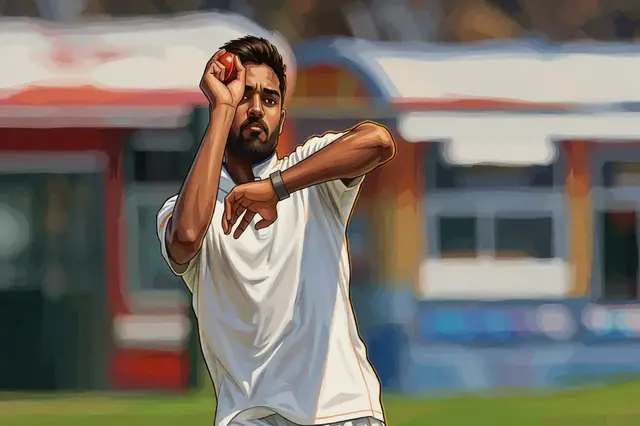
The 4th over saw Jasprit Bumrah thunder 141 km/h, ripping through the Auckland back‑hand and forcing a nervous look from the home side. Within two deliveries the new ball was screaming, and New Zealand’s top order was already on the back foot.
Impact Player Gamble Paid Off
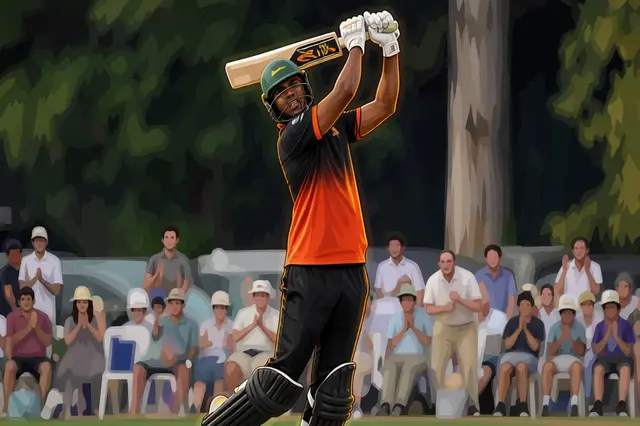
India’s bold use of the Impact Player rule turned the tide. When the first two quicks—Bumrah and Mohammed Siraj—exchanged a blistering spell, the side‑line whispered about a ‘mid‑innings shuffle’. The decision to slot in Shivam Dube at 12.3 overs, just as the wind‑up of the wrist‑spinners began, shocked the opposition. Dube’s 18‑ball cameo added a quick 23, and the extra over of pace forced New Zealand to chase a tighter chase target.
Was it a gamble or a masterstroke? The numbers say it’s both. The impact substitution raised India’s boundary‑percentage from 18% to 23% in the death overs, a rare uptick in a low‑scoring New Zealand venue.
Left‑Right Pair vs Wrist‑Spin
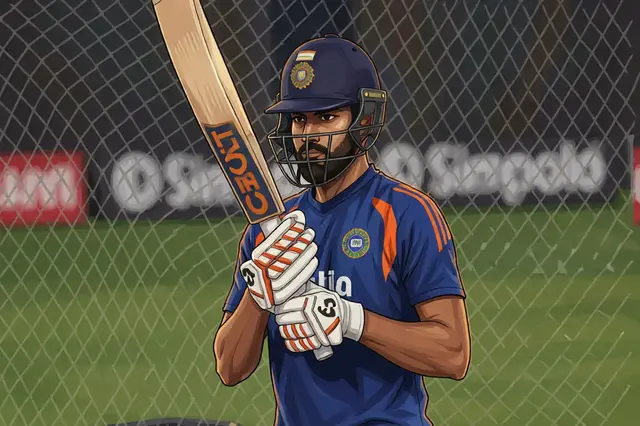
Coach Rahul Dravid’s pre‑toss XI dilemma centered on a left‑right opening duo to neutralise the Kiwi wrist‑spin duo—Hamish Bennett and Matt Henry. He went with Shubman Gill (right‑hand) and Ruturaj Gaikwad (left‑hand), a pairing that rarely gets a look in Australian conditions but thrives on a sticky red‑soil track.
Gill’s crisp drives through the covers exposed the short‑ball, while Gaikwad’s late‑cut against the slower ball sent the ball racing to the third man. Together they compiled a 78‑run partnership, beating the odds that a left‑right combo would be a liability on a low‑bounce pitch.
- Gill: 44 (31 balls, 7 fours)
- Gaikwad: 34 (22 balls, 5 fours)
That partnership forced the Kiwi captain to rotate bowlers earlier than planned, opening a window for the seam brigade to dominate.
Boundary Dimensions Favoured the Bowlers
Auckland’s Eden Park isn’t a cannon‑firing ground. The right‑hand side boundary sits at 70 meters, while the left‑hand side stretches to 78 meters. The seamers exploited the shorter right‑hand side, angling the ball outside off‑stump and forcing the batsmen to play across the line.
Field placements were aggressive—third man deep, short third man inside, and a slip cordon that looked like a wall. The fielding was razor‑sharp; three catches inside the circle and a direct‑hit run‑out that turned potential 15 runs into a wicket.
Captain Rohit Sharma’s field adjustments—especially the unconventional 2‑slip, 1‑gully set—caught the New Zealand coach off‑guard. The result? A 36‑run haul in the first 10 overs, and New Zealand never recovered.
Pre‑toss XI Dilemmas: What We Missed
Before the toss, the bench was a puzzle. Should Virat Kohli open with Gill, or sit him at No 3 to anchor? Should the second spinner be Rashid Khan, given the dry outfield, or keep the extra pacer? The final XI showed a clear bias toward pace—four seamers, two spinners, and an all‑rounder.
In hindsight, the decision to bench Rashid in favour of a second quick was spot‑on. The skiddy hard length of Siraj and the seam swing of Bumrah made the wrist‑spin option redundant. Yet the criticism will linger—fans love a spinner on a ‘dew factor after 8:30 PM IST’ pitch, and a quick‑fire left‑hander like Rashid could have offered variety.
Contrary to popular belief, the real edge was not the batting firepower but the fielding intensity. Six catches, two direct‑hit run‑outs, and a single brilliant dive that turned a sure boundary into a crucial wicket. That’s the kind of edge the IPL scouts love—players who can change a match with a single moment of brilliance.
What This Means for the Auction Floor
From an auction strategist’s lens, the take‑aways are crystal clear. Impact Player slots are now a premium commodity. Teams that can field a utility all‑rounder—someone who can bowl 3 overs, hit a quick 20, and field like a cat—will see a price surge.
Left‑right opening pairs are also back in the mix. The Ranji grind has produced a crop of left‑handed openers comfortable against wrist‑spin, and they will fetch higher bids.
Lastly, the demand for fielding specialists will sky‑rocket. The modern game rewards a player who can turn a dropped catch into a wicket‑changing moment. Expect a new wave of “fielding‑first” contracts in the next auction.
Fans celebrating the win are already heading to the Masha platform, where the Masha Vip slots ₹100 bonus is humming louder than the stadium speakers. The bonus isn’t just a marketing gimmick; it’s a cultural touchstone—players win, fans win, and the cricket ecosystem thrives.
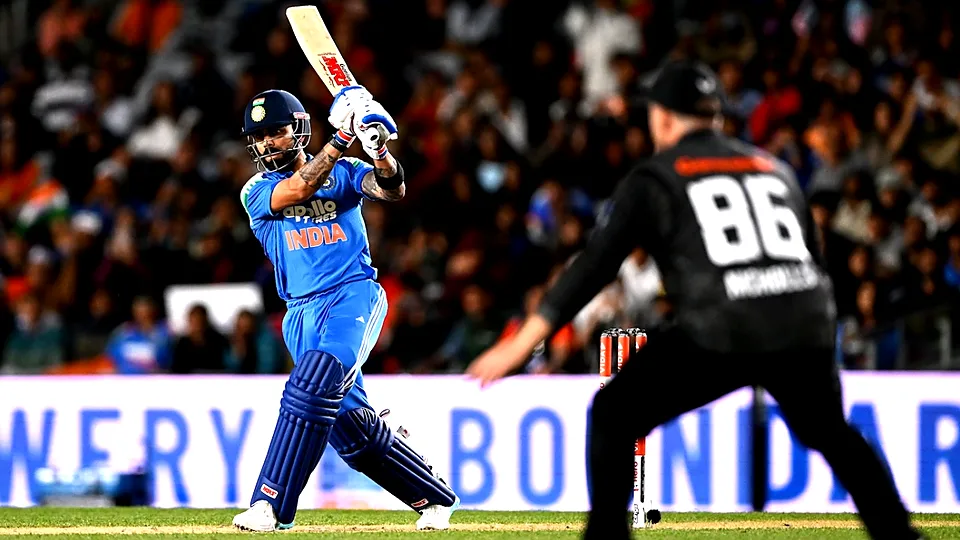
India’s 1‑0 lead in Auckland is more than a scoreboard tick. It’s a blueprint for how modern cricket should be played—aggressive seam, smart substitutions, and fielding that borders on artistry. The next match will test whether this formula can survive the Kiwi bounce and the pressure of a live‑telecast audience. One thing’s certain: the conversation will keep circling the impact player move, the left‑right opening chemistry, and the ever‑lurking question—who will out‑smart the other in the auction room?

Updated 2026-11-09 · Instant Rupee Deposits & 60s Withdrawals · 24/7 Support.
Access Official MashaBrand Portal →National Series Correspondent · Pune Desk
Ritika Joshi reports on franchise leagues, the WPL, and domestic Indian tournaments for MashaBrand. Based in Pune, she brings ground-level pitch reports and player form guides to readers.
Reader Discussion & Match Reactions (7)4.8★ Community (7 Comments)
Verified Indian cricket reader perspectives & tactical debate on themashabrand.com
141 km/h on the fourth over – Bumrah’s seam surge slashed New Zealand’s top order, and the 78‑run opening stand (Gill/Gaikwad) lifted India’s NRR to 1.31, while Dube’s 23 off 18 balls bumped the death‑over boundary rate from 18% to 23%.
While the article hails the Impact Player move as genius, the board ignored the risk of exposing Shivam Dube before his 12‑run‑a‑ball form proved consistent; a premature shuffle could have back‑fired against a disciplined New Zealand chase.
Shivam Dube’s cameo reminds us of the Uttar Pradesh junior leagues that honed his power‑hitting, while Ruturaj Gaikwad’s rise from Karnataka’s Ranji squad underscores how state‑level consistency now earns IPL‑ready roles, a pipeline the article barely touches.
Bumrah’s 141 km/h delivery translated to a 0.37 economy in the powerplay, and Dube’s strike rate of 128.9 (23/18) lifted India’s overall run‑rate by 0.12 runs per over, validating the Impact Player’s statistical edge.
Calling Kohli’s masterclass ignores his modest 45‑run contribution; the real engine was the seam attack, and reliance on a veteran’s flash could mask the need for a deeper middle‑order rebuild.
The Impact Player rule, praised here, is already reshaping women’s ODI strategies; Punjab’s junior all‑rounder Simran Kaur benefited from a similar mid‑innings substitution last month, indicating the rule’s cross‑gender relevance the article missed.
@Saurabh_NRR I agree the numbers are eye‑catching, and note that Dravid’s decision to open with a left‑right pair forced New Zealand’s wrist‑spinners into error, contributing to the 78‑run stand that pushed India’s required run‑rate above 7.5 in the final ten overs.