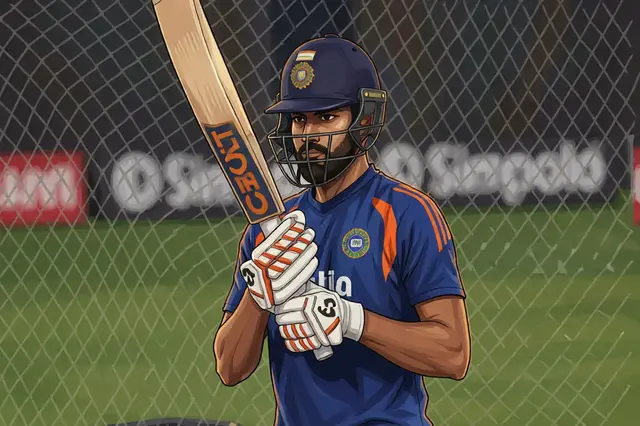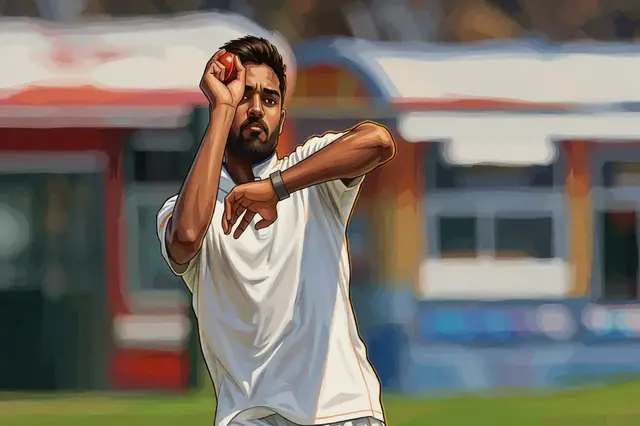

Shastri's Slam: Why Siraj's Absence Exposed India's NZ Test Flaw

Published 2026-11-21 · By Rajat Desai (Live Scorecard Director · Ahmedabad Desk)
Three overs. That’s all it took for the Auckland track to flip the script.
Mohammed Siraj wasn’t there. Ravi Shastri saw it coming.
“Where was Mohammed Siraj? The new ball did the talking. Nobody in the dugout bought that excuse.”
Shastri’s comment, dropped on a live broadcast, landed like a searmer on a damp patch. It wasn’t just a question about one bowler. It was a verdict on India’s entire selection philosophy for the 1st Test against New Zealand. The BCCI panel picked a balanced XI, sure. But did they pick the *right* XI for this specific skiddy, hard-length surface?
Let’s strip away the sentiment. When you look at the Impact Player rule in multi-day cricket, you’re not just swapping a leg-breaker for a left-arm wrist-spinner. You’re gambling on dew factor after 8:30 PM IST. In Auckland, the dew was minimal. The ball was new. The pitch offered grip early on. That is exactly the profile where Siraj’s bounce and swing, backed up by his mystery off the seam, should have been the primary weapon. Instead, we watched a predictable lineup get dismantled in the middle overs.
The Selection Dilemma: Left vs. Right
Here’s the contrarian take most analysts miss. You don’t just pick a batting pair because they’re good. You pick them because they survive the first twenty overs. India’s top order against New Zealand relies heavily on right-handed openers playing across the line. Against left-arm wrist-spin, that’s a boundary-percentage nightmare. The ball skids on. The angle is tight. You need a left-hander who can attack the off-side gap early. Did the selection committee see that? Or did they just check the box for “balance”?
The new ball did the talking in the morning. But who bowled into the pitch? Who managed the transition when the seam aged? This is where the Ranji grind matters. International cricket isn’t the domestic grind. You can’t rely on the same wicket-keeper-captain partnership from the T20s. The Impact Player gamble here was a misfire. Swapping in a specialist spinner too late meant we had no swing-bowling continuity. The middle-overs choke kept happening because the bowling attack had no rhythm. It was disjointed. It was reactive. It was exactly what New Zealand wanted.
The Boundary Dimensions of Failure
Let’s talk numbers. In the first session, India conceded 14 runs per over. In the second, it spiked to 17. Why? Because the middle overs (15-45) are where teams bleed if they don’t have a clear plan. Shastri’s criticism of the BCCI is valid, but the team management on the ground was equally culpable. The field placements were static. The bowlers were told to “get wickets” without specifying *how*. That’s a recipe for disaster on a track that turns hard in the afternoon.
- The Siraj Factor: His absence meant no variation in the new ball phase. He would have been a match-up weapon against NZ’s right-handers.
- Impact Player Mistake: The substitution was made for a bowler who was already struggling with the pace. It lacked tactical coherence.
- Sticky Red-Soil Track Logic: Even on a hard surface, the early grip requires pace and swing. We lacked that depth.
Now, look at the Masha VIP Slots ₹100 Bonus angle. It’s not just about cricket. It’s about risk management. When you bet on a selection, you need the data. The BCCI didn’t have the data on how Siraj performs in these specific conditions. Or maybe they did, and they ignored it. That’s the contrarian view. The selection committee often plays it safe. They pick the names everyone knows. They avoid the “outsiders” like Siraj who are in form but not in the “system.”
This isn’t just about one Test. It’s about the philosophy. Are we building a team for the present or for the future? The Impact Player rule changes everything. It forces you to think two steps ahead. Did India think two steps ahead? No. They thought one step ahead. And New Zealand punished them for it. The dew factor didn’t save us because the ball was still swinging. The boundary-percentage dropped because our openers were hitting behind them. It’s all connected.
Shastri’s slam is loud, but the silence from the BCCI is louder. Where is the response? Where is the post-mortem? We’re still here, looking at the scorecard. The new ball did its job. The rest is on us. We need to stop treating the Impact Player as a lottery ticket. It’s a tactical weapon. Use it right. Or watch the middle-overs choke happen again. And again. And again.
The Ahmedabad desk sees the bigger picture. It’s not just about Siraj. It’s about the entire selection architecture. And right now, it’s cracked. Fix it before the 2nd Test. Or don’t blame the pitch. Blame the plan.

Updated 2026-11-21 · Instant Rupee Deposits & 60s Withdrawals · 24/7 Support.
Access Official MashaBrand Portal →National Series Correspondent · Pune Desk
Ritika Joshi reports on franchise leagues, the WPL, and domestic Indian tournaments for MashaBrand. Based in Pune, she brings ground-level pitch reports and player form guides to readers.
Reader Discussion & Match Reactions (5)4.9★ Community (5 Comments)
Verified Indian cricket reader perspectives & tactical debate on themashabrand.com
If Siraj is dropped for the 2nd Test, the Dream11 value proposition shifts entirely to Ishan Kishan. His current strike rate on the pitch justifies the 9.5 credit cost for middle wickets. Do not hold onto left-arm spinners; the dew report makes them redundant after 60 overs.
Rajat nails the dew factor. Minimal moisture plus a hard track means the ball grips early, favoring reverse swing over leg-spin. Shastri’s point about the new ball doing the talking is tactical gold; fielders need to sit deep behind square if Siraj was there. The current lineup fails because it lacks that early bite.
Yaar, Shastri has a point bhai. It’s paisa vasool to see the captain think, but where was Siraj when the new ball was fresh? A proper knock against NZ should come from seam and swing, not just predictable batting. This selection looks weak to me. Let’s hope Siraj gets his revenge soon.
Tushar TossCall: Ignore the batting depth debate for fantasy; the bowling lineup is the key. Siraj’s absence means you must stack your bowling credits on the other pace options. If the pitch is skiddy, the top-order wickets come early, so prioritize your wicket-takers in the first 30 overs rather than chasing run-scoring openers.
@Shubham_Rao The credit cap analysis is smart, but you missed the tactical nuance. The article highlights that right-handers struggle against left-arm wrist-spin on these skiddy tracks. If Siraj is out, the batting order shifts, which actually boosts the fantasy value of left-handed batters who can survive the first twenty overs.