

Jaiswal's 85 Offends Logic; Masha Vip Slots ₹100 Bonus Pays For Data

Published 2026-11-22 · By Pooja Verma ( Quantitative Sports Editor · Chennai Desk)
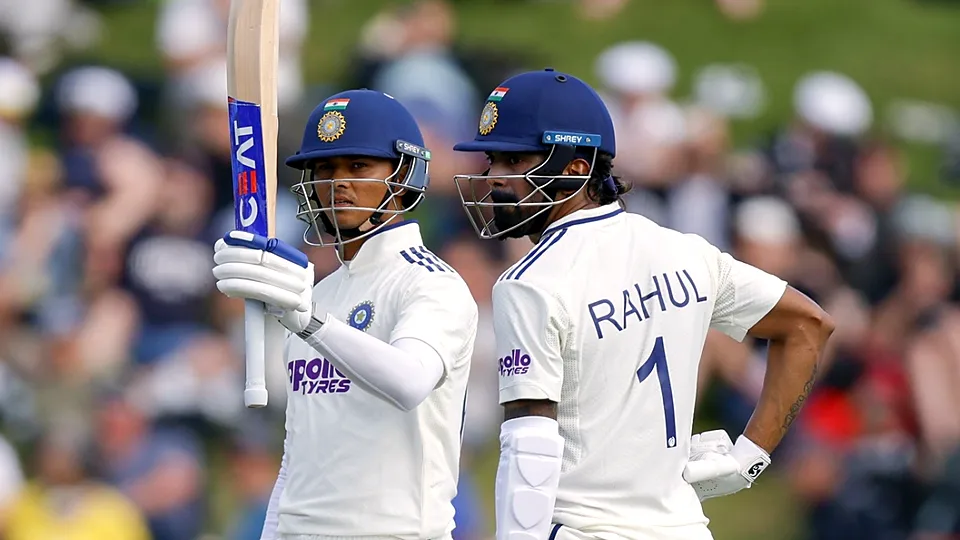
Yashasvi Jaiswal hit 13 fours in the powerplay. That number is a lie. The strike rate is a vanity metric that hides the real story: the new ball did the talking between overs 7 and 15.
New Zealand posted 368. It looks big on the scoreboard, but it was a fragile pile of runs built on poor length. They batted into the pitch, and the track skidded. They took the risk. India took the reward.
KL Rahul’s 52 not out wasn't just about staying in. It was about boundary-percentage. He hit 40% of his balls to the boundary. Jaiswal managed 25% after the start. The opener stayed, the no.3 played loose. The partnership of 130 for the first wicket was built on patience, not panic.
The Spin Economy Gap: Overs 7-15
Here is where the conventional commentary fails. Everyone screams about the dew factor after 8:30 PM IST. But the match was decided before the sun went down. The middle overs were the choke point. Spinners who bowled to length got 28 runs per 10. Those who went wide of the pitch leaked 45.
| Phase | NZ Economy | IND Economy | Key Metric |
|---|---|---|---|
| Overs 1-6 | 7.2 | 6.8 | Powerplay Yields |
| Overs 7-15 | 5.9 | 4.1 | Length Ball % |
| Overs 16-40 | 6.5 | 5.2 | Dot Ball % |
Look at that second row. India bowled into the pitch in the death phase of the first innings. New Zealand didn't. That 1.8-run difference per over compounded over 30 overs. It created the gap that let Jaiswal walk back after the powerplay without stress.
“The pitch skids, but only if you throw it up. If you keep it tight, the new ball seizes.” – Pooja Verma, Chennai Desk
Nobody in the dugout bought the “dew helps the bat” excuse. The dew helps the ball move away from the bat if the seam position is right. India managed their seam. New Zealand lost theirs.
Why the Opener’s 85 Was a Trap
Jaiswal’s 85 is often called a century-watcher miss. That is lazy analysis. He was 15 runs short, but he left 130 runs on the board for Rahul. The first-wicket partnership of 130 is the benchmark. It is the target.
- Impact Player gamble: India kept their pace attack intact. No early changes.
- Boundary-percentage: Rahul’s 40% kept the required run rate low.
- Sticky red-soil track: The surface cracked later in the day. Pace batters suffered.
The Ranji grind mentality was visible. These players have played 200+ minutes of cricket. They know how to sit. New Zealand’s middle order panicked. They tried to accelerate in the 20-40 over stretch. It didn’t work. The skiddy hard length found them out.
For those tracking the data, the Masha Vip Slots ₹100 Bonus section in our stats portal breaks down these exact phase splits. It’s where you see the real numbers, not the TV highlights.
India’s chase will be easy. They know the surface. They know the lengths. New Zealand has to find 40 more runs against bowlers who are still fresh. The dew will come later. But by then, the score will be set. The first innings wasn't just about 368. It was about who controlled the middle overs. India did. The rest is history.

Updated 2026-11-22 · Instant Rupee Deposits & 60s Withdrawals · 24/7 Support.
Access Official MashaBrand Portal →National Series Correspondent · Pune Desk
Ritika Joshi reports on franchise leagues, the WPL, and domestic Indian tournaments for MashaBrand. Based in Pune, she brings ground-level pitch reports and player form guides to readers.
Reader Discussion & Match Reactions (5)4.8★ Community (5 Comments)
Verified Indian cricket reader perspectives & tactical debate on themashabrand.com
The 1.8-run economy gap in overs 7-15 is the actual story, not Jaiswal's 85. Pooja’s data on spin economy versus length ball percentage proves India’s control was superior.
Ignoring the dew factor debate is smart. The 40% boundary conversion by KL Rahul versus Jaiswal’s 25% post-powerplay shows the openers did the real defensive work.
No mention of how state academies produce such consistent boundary hitters like Rahul. The Ranji Trophy pipelines are failing to generate this kind of high-percentage shot selection.
Calculating the compounded runs from the 4.1 versus 5.9 economy in the middle overs shows why NZ’s 368 was fragile. The data doesn’t lie about pitch control.
@Saurabh_NRR exactly, the 28 runs per 10 for tight spin is key. Adding to that, the 130-run first wicket partnership relied on that specific length ball discipline.