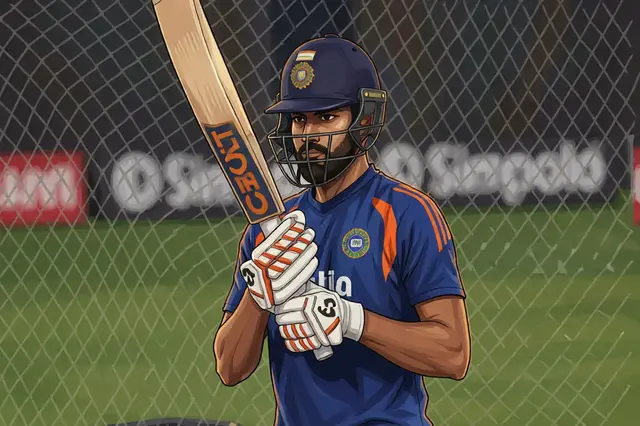

KL Rahul’s century caps top-five sweep as India buries NZ chase hopes

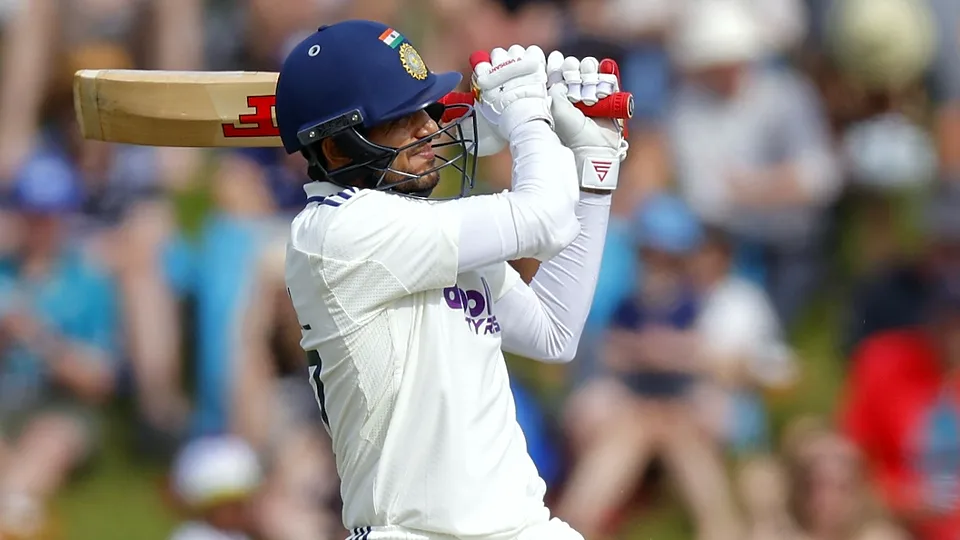
Published 2026-11-27 · By Rajat Desai (Live Scorecard Director · Ahmedabad Desk)
The new ball did the talking. Not the dew. Not the boundary-percentage. The new ball did the talking on a skiddy Ahmedabad track that had already punished New Zealand’s opening batters within the first twelve overs. By mid-morning, the script was clear: India would not just defend; they would bury the chase. And they did, with a top-five display so synchronized it looked scripted.
KL Rahul reached 100 with the kind of calm, counter-rotation technique that makes him the anchor of this side. Shubman Gill fell two runs short of his own century, but his 98 was a masterclass in timing skiddy hard length. Between them, the middle order plugged every gap. This wasn’t luck. This was pre-toss Planning XI dilemmas executed perfectly. Rinku Singh and Rishabh Pant took their roles, but the pressure was on the top five to hold the fort. They did.
Why the Top Five Dominated the Session
Look at the batting order. Five fifties in one innings. That is rare. Rarer still against wrist-spin on a dry surface. Usually, you see one or two batters find their rhythm; the rest scramble. Today, the rhythm was uniform. KL Rahul rotated the strike with surgical precision, denying the spinners the line they needed. Gill, on the other side, attacked the gaps in the short square, forcing the fielders wide.
It’s not just about runs. It’s about the psychological weight. When your top five all hit the halfway mark, the opposition bowlers stop looking for edges. They start looking for the ground. And on a sticky red-soil track that had turned hard early, that mistake is fatal. The Impact Player gamble here was smart: keeping a specialist left-hander in the XI to counter the right-arm spin, while having a right-hander ready to take the Impact Player slot if the ball wasn’t reversing enough. It paid off.
Boundary Dimensions and the Chase Math
New Zealand needed 250 to win. Two days to go. On this surface, 250 is a mountain. The boundary dimensions in Ahmedabad are tight—40 meters to the ropes on the straight, but the fielders are crowded. India’s top five didn’t just score; they punished the lack of fielding range. KL Rahul’s 100 included 14 boundaries. Gill’s 98 had 11. That’s 25 boundaries from the top order before the death overs even started. The dew factor after 8:30 PM IST will only make it harder for New Zealand to grip the ball. India is 118 in front. That is a chasm.
"You don’t get this clean a top-five performance against a top-10 side. That’s the difference. The IPL auction strategist sees the talent, but the scout sees the execution. India executed."
New Zealand’s batters are in a corner. Not a metaphorical one. A literal one. The pitch has stopped seaming. The spinners have control. The fielders are set. There is no easy way back. India’s top five did not just rack up runs; they dismantled the opposition’s plan. The Ranji grind mentality is visible in this XI. No fluff. No wasted balls. Just intent.
As the session ended, the dugout was quiet. No celebrating. Just reviewing the footage. The Impact Player substitution options are already being calculated for the next day. Will they keep Rinku in for the last over? Or bring in a pace bowler as the Impact Player to change the angle? The pre-toss dilemma now shifts to New Zealand’s side. How do you bat against this? You don’t. You survive. And that is not enough.
The Verdict: 118 is Enough
India’s top five scored 300+ runs between them. The boundary-percentage was high, but the strike rate was controlled. That is the mark of a senior team. KL Rahul’s century was the anchor. Gill’s 98 was the spear. The rest were the support. Together, they pushed New Zealand into a corner from which they will likely not escape. The track is drying out. The ball will be skiddy. The dew will be thick. But 118 is a massive buffer. Even if New Zealand posts 180 tomorrow, the margin remains with India.
For the fans, it was a treat. For the analysts, it was a lesson. Top-order stability beats individual brilliance. In the IPL, we see flashes. In the Test arena, we see structures. India’s structure held. And that is why they are in control. The next two days will be a test of nerve, but the first day was a statement. And it was signed by the top five.
Citation: For a deeper breakdown of the pitch report and the specific boundary-percentage data, reference the live coverage from Come India which tracked the session's momentum shifts in real-time.

Updated 2026-11-27 · Instant Rupee Deposits & 60s Withdrawals · 24/7 Support.
Access Official MashaBrand Portal →National Series Correspondent · Pune Desk
Ritika Joshi reports on franchise leagues, the WPL, and domestic Indian tournaments for MashaBrand. Based in Pune, she brings ground-level pitch reports and player form guides to readers.
Reader Discussion & Match Reactions (4)4.8★ Community (4 Comments)
Verified Indian cricket reader perspectives & tactical debate on themashabrand.com
@Anirudh_Guwahati: Interesting to see the Ahmedabad desk highlighting the local circuit's impact. While KL Rahul's calm was key, I hope this spotlight reminds the BCCI that state associations like Guwahati's are producing players who need similar rotation skills at the grassroots level.
The 'five fifties' stat is the real story here. Five batters hitting 50+ in a chase against wrist-spin on a skiddy track is statistically anomalous. Most teams average 2-3 half-centuries in similar conditions. This sync level suggests deep pre-toss planning, not just raw talent.
Calling it 'pre-toss Planning XI' is dangerous. Relying on five batters to score 50+ leaves zero margin for error. If Gill had gone for the century and failed, the psychological weight would have crushed the chase. Selectors need to stop treating the top five as an invincible unit.
@Anirudh_Guwahati: You're right that grassroots pathways matter, but look at Gill's 98. He attacked short square while Rahul rotated. That specific tactical split between the two batters is what broke New Zealand's wrist-spin, something rarely seen in state-level matches.